Comedy improv · Wrocław
It's in your genes.
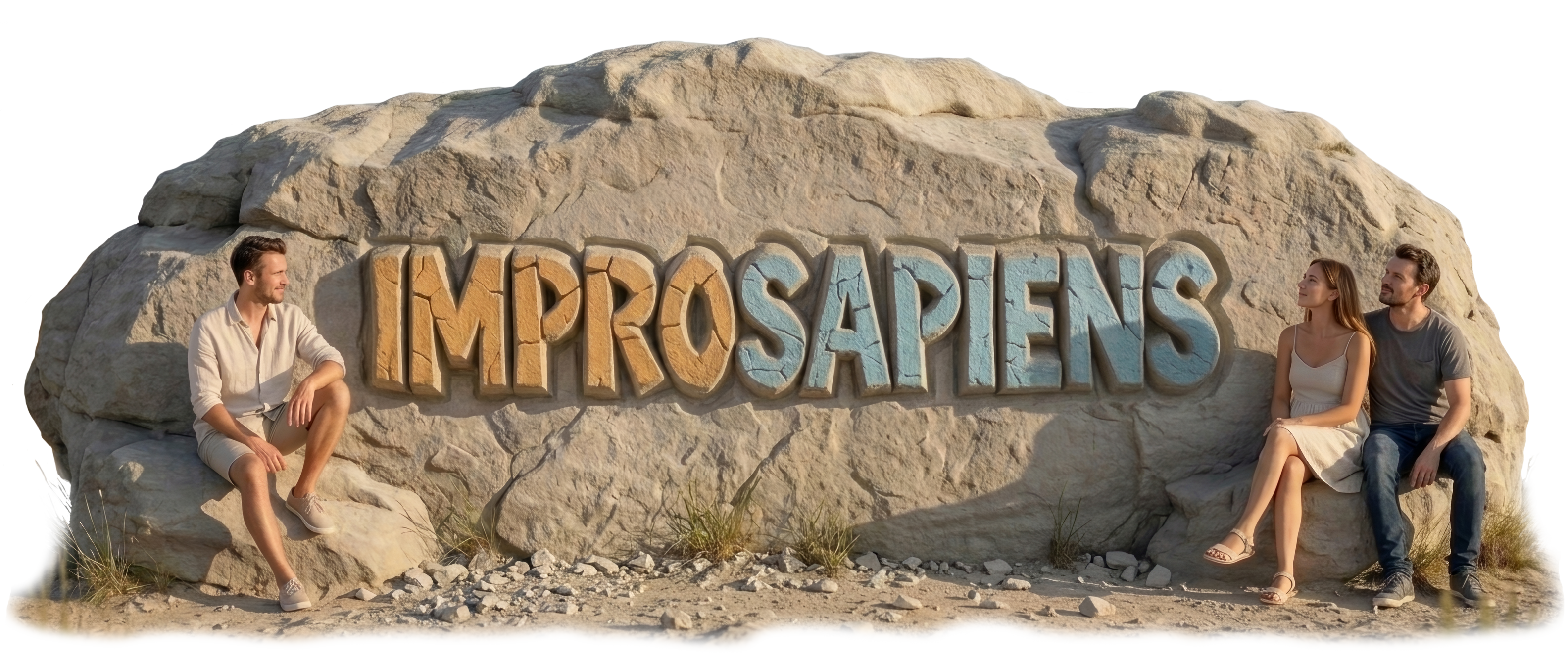
Humans have improvised for 300,000 years. To survive.
Our track record is shorter. And way less serious.
Comedy improv · Wrocław
Humans have improvised for 300,000 years. To survive.
Our track record is shorter. And way less serious.
Vademecum
Improv isn't chaos for want of a plan. It's the skill of acting when there isn't one.
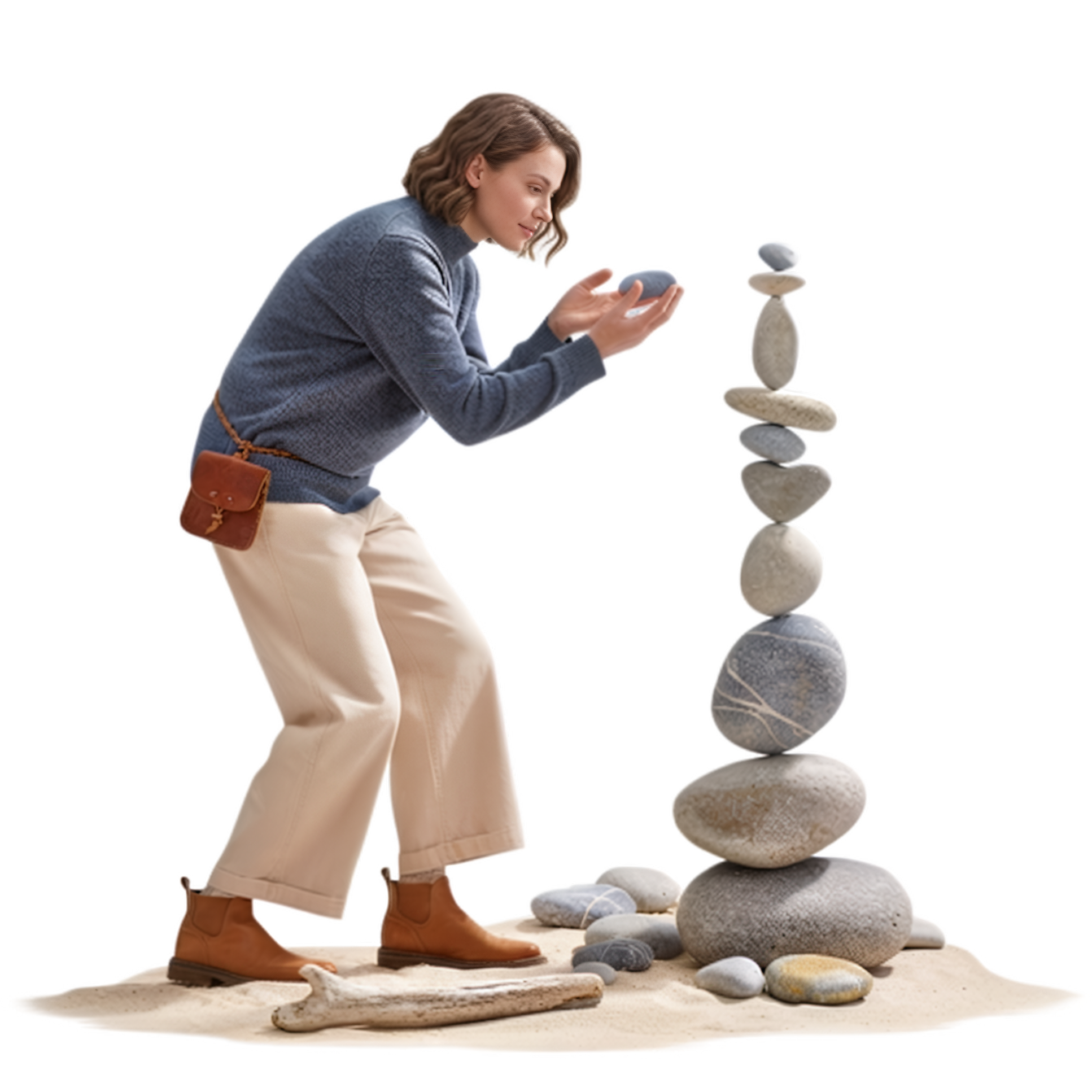
Improv has always been with us. Long before stages, spotlights and people in a circle saying "yes, and…". Our whole civilisation started, more or less, with a run of very brave ideas:
"How about we climb down from the tree and hide in that cave?", "Stand on two legs, straighten up — you'll see more!", "What if I hit this flint against that flint…?", "I'll set these leaves alight and breathe it in…", "Let's split the atom and see what happens", "I'm giving up on perspective. I'll paint women from every side at once. They're beautiful from all of them!"
Exactly. Improvisation is in our genes. In yours too. Remember when a chair became a ship, the floor was lava, and a stick had at least seven uses, three of them classified?
Then came the rules, the correct answers, the plans, the roles and that whole grown-up "stop messing about". So you stopped. And that's a bit of a shame — for you and for the world.
Improv is the art of getting back to the version of you that growing up dimmed. It helps you notice more, react faster, trust yourself and other people, build from whatever is happening right now, and stop dreading change. You get back what went missing along the way: courage, curiosity, creativity, attention, laughter, and permission to be a bit odd sometimes.
And on the way it feeds the quiet needs you bury so deep you sometimes forget they're there: being seen, being heard, being understood. Not bad, eh?
IMPROSapiens workshops
I don't change people. I just take the covers off their wings.
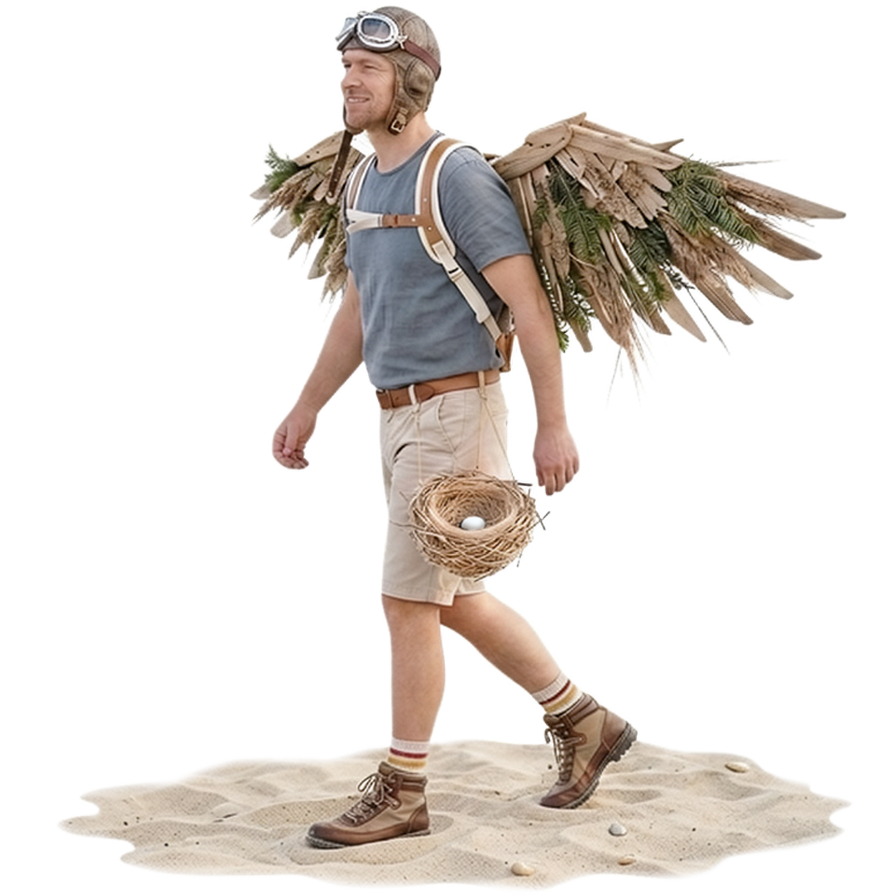
No lectures here, no wrap-ups, no slides, no notes. These are improv workshops — a place to breathe out, unclench, and remember that people grow best when they feel safe.
From the first minute we build ease, acceptance and permission not to be good at everything straight away. You're allowed not to be funny, as long as you're yourself. I won't ask about your job title, your annual income or where you see yourself in five years. There's no grading and no demoralising feedback. Your only task is to enjoy yourself, try things, test things, and occasionally have no idea what you're doing.
We don't make mistakes in class. Because in improv there's no such thing as a mistake. There are attempts, discoveries, surprises, and moments when the strange thing turns out to carry the whole scene. And a group, given a bit of trust, really does regulate itself.
Classes run in small groups. They happen (only) once a week and last a full two hours.
For companies
Want your team to move mountains with you? Start by laughing together.

Before I started training improv, I spent years building banks and steering companies through change — as CIO, CTO and COO. I know what a team under pressure looks like, and what happens to communication when things get hard.
Laughter has extraordinary power: it releases tension, closes distance, builds bonds, and lets people see each other as something other than job titles, roles and Teams calls.
There are two ways to invite that laughter into your organisation. Both are a riot:
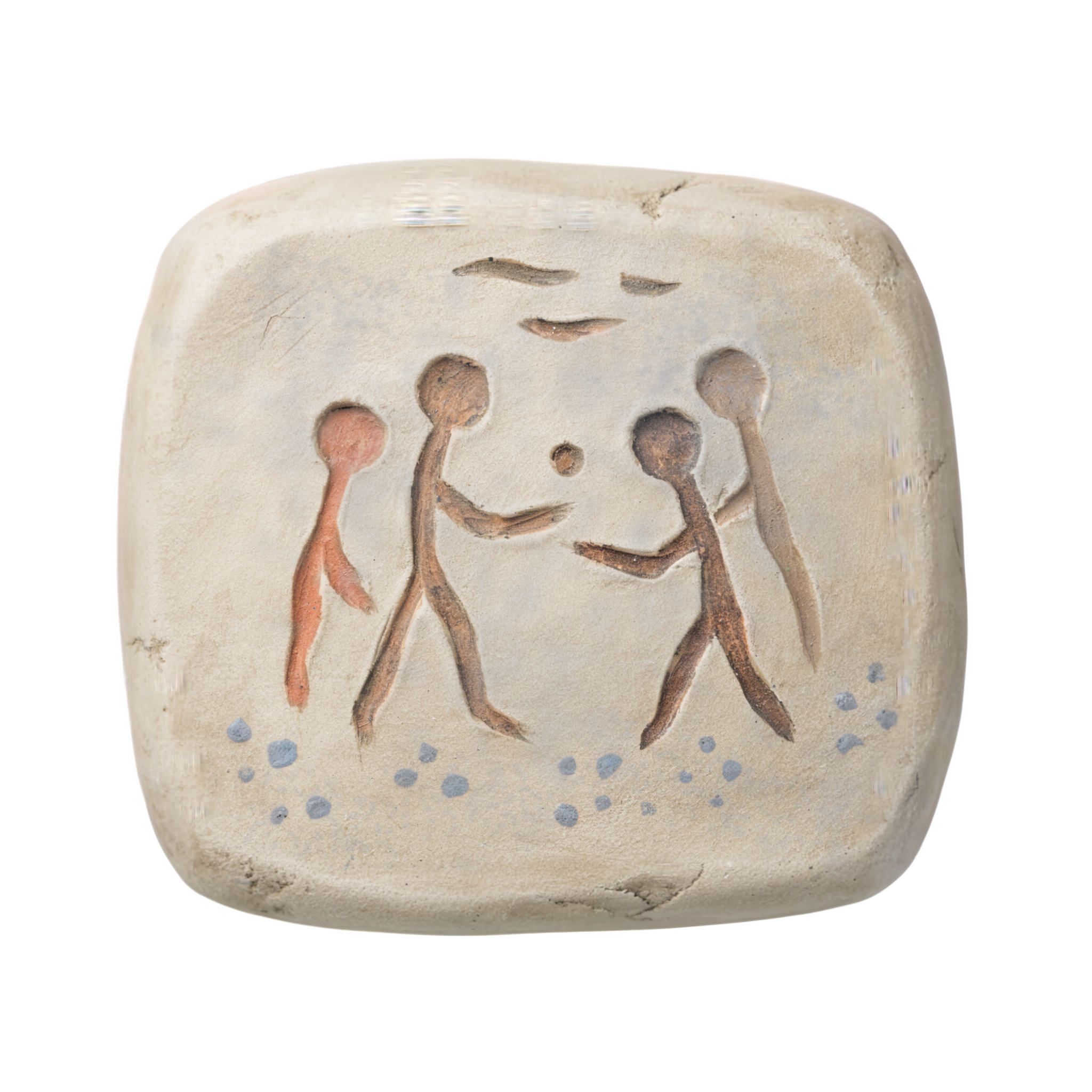
Programmes for teams and leadership, designed around a specific need: bringing people together, communication, collaboration, creativity, change, or resilience in the face of uncertainty.
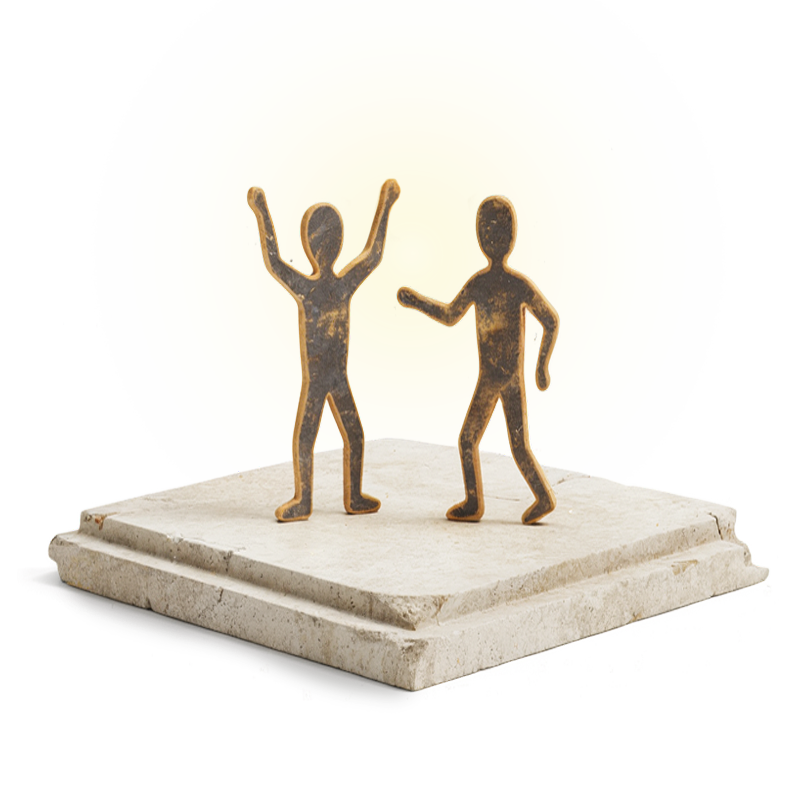
Bespoke IMPROSapiens shows for anniversaries, events and away days — built around your company, your people and the stories only you get to laugh at.
Tell me what you need. Together we'll make something exceptional and genuinely yours.
Imprometer
Change shows best once it stops being just an impression.
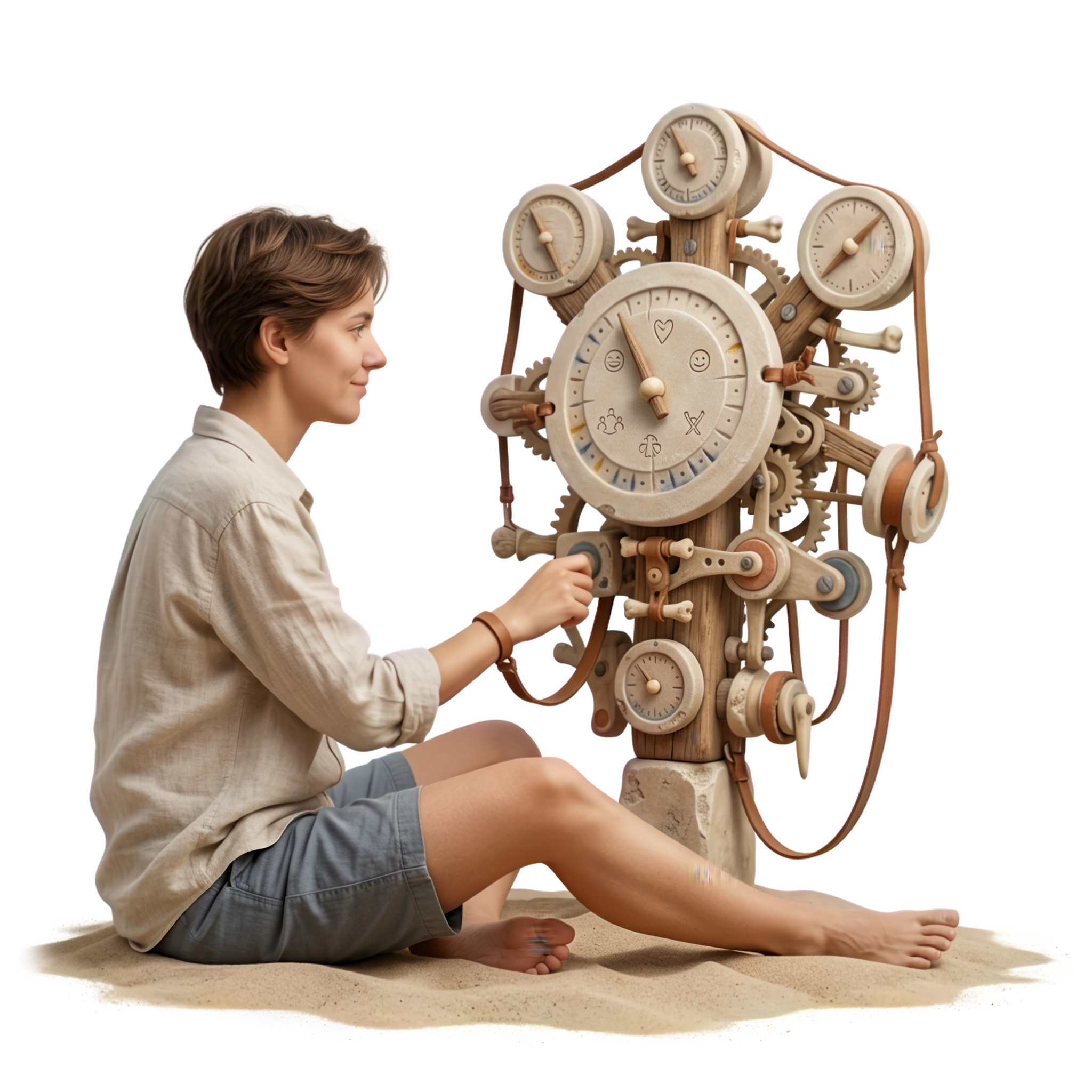
Improv is usually measured with a set of widely recognised competency indicators. The most popular are: "Weeell… better than last time?", "Tonight was fire!", "It didn't land.", "Cringe." Or, in the advanced version: "Don't know what, but something moved."
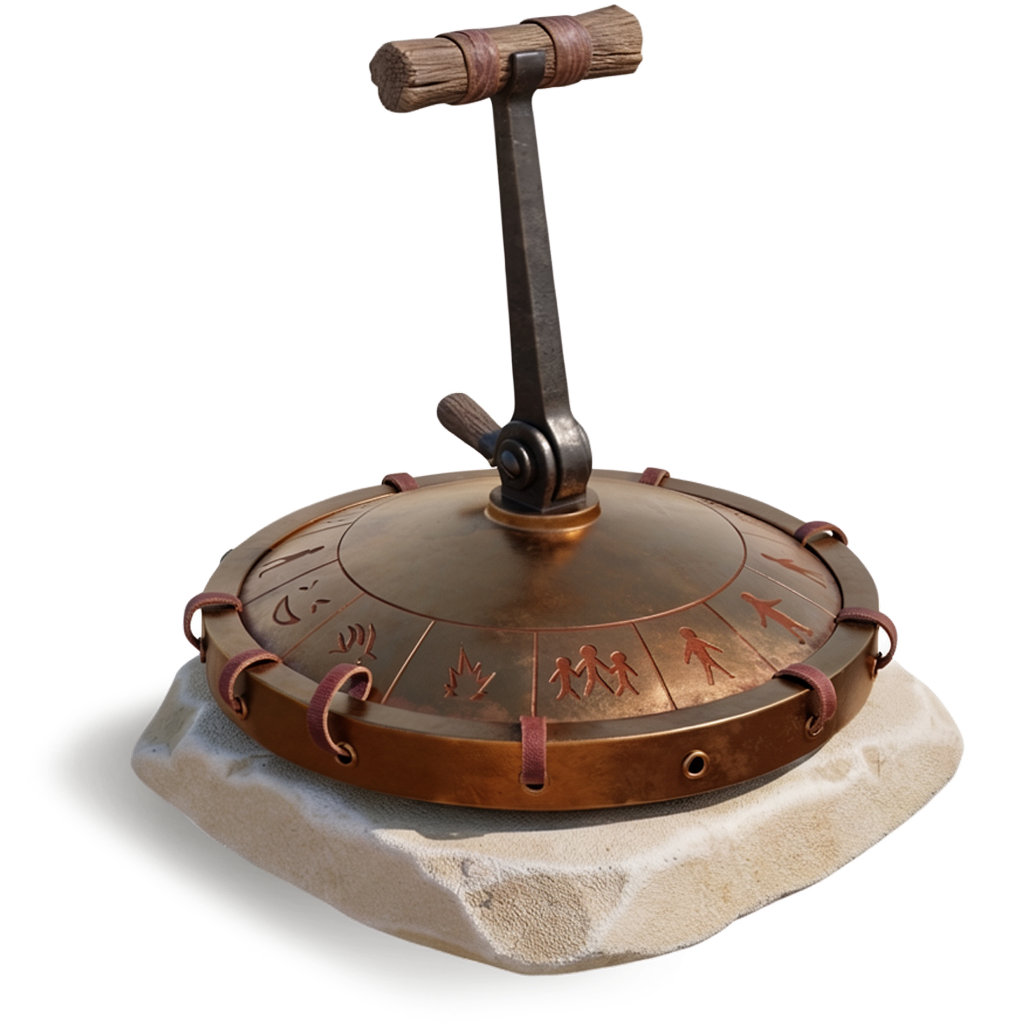
For most people that can stay exactly as it is. But if you're in IT, or you've got a maths PhD from MIT, you may need rather more precision. For those who aren't satisfied by tradition, I built the Imprometer — my own set of tools for measuring the things improv has always measured by word of mouth. Usually the teacher's mouth.
As far as I know, it's the only set of its kind in the world.
The Imprometer will count your courage and your attention, break down the attitudes that block you, X-ray your humour styles, and take apart your comedy techniques and your skills as an improviser. It even measures that mysterious "something" that makes one group work like a single synchronised organism while another works like people who happened to get into the same lift.
You can run the Imprometer on yourself, on your friends, on your mother-in-law, even on a whole team. It's an elegant way to find out what you look like to people who have already seen a great deal.
Everything is anonymous and automated. Results go to your inbox and nobody else sees them (unless you show someone). The Imprometer is a privilege — free for workshop participants. But a few of the tools are out there for everyone.
Shows
Some shows can't be ruined by a spoiler. Ours, for instance.
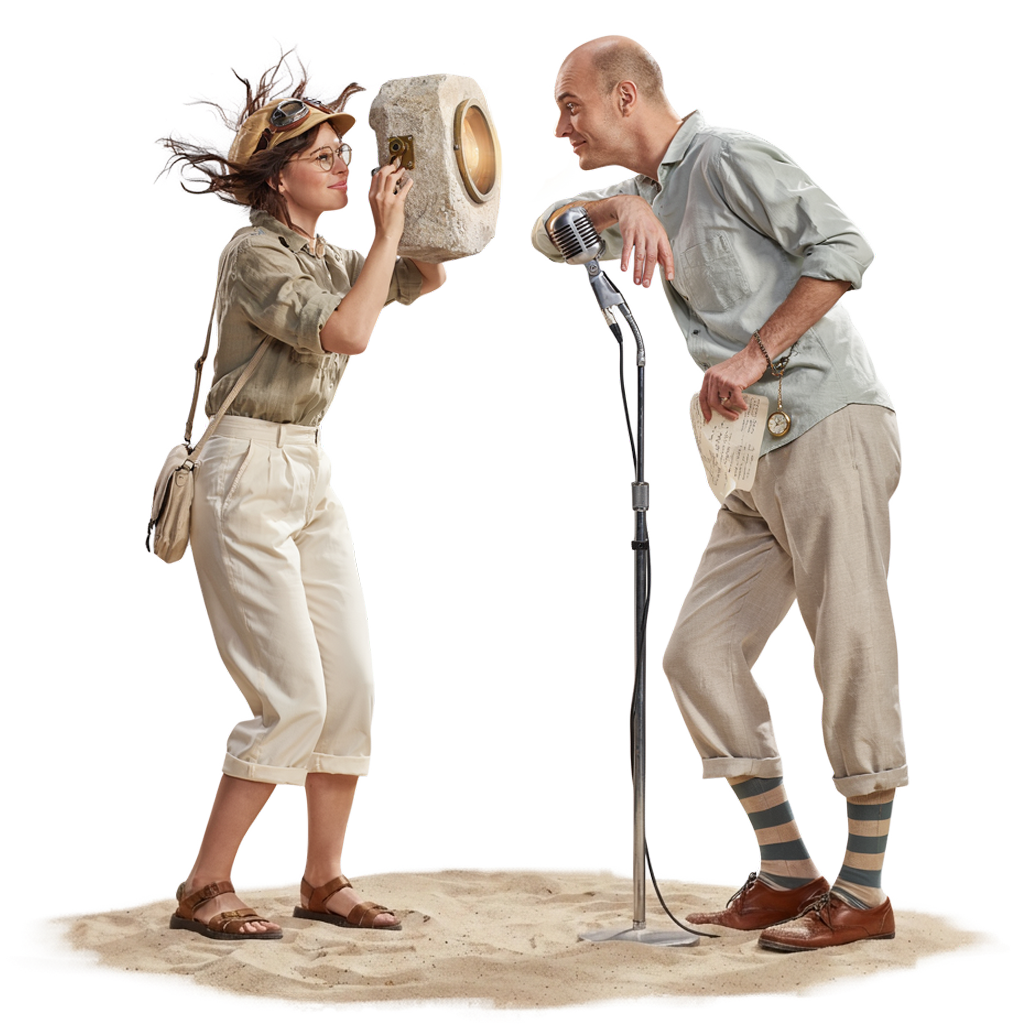
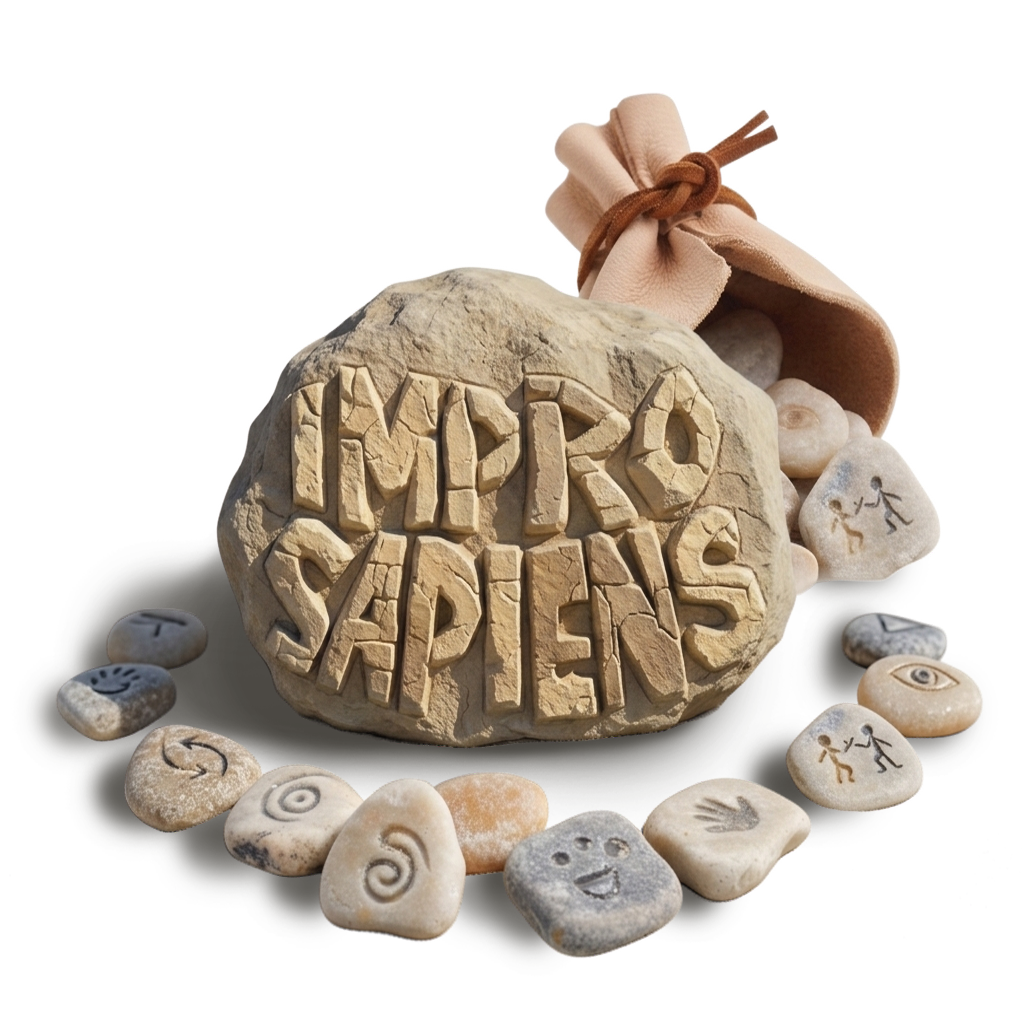
IMPROSapiens is a comedy improv group from Wrocław, and I lead it. We like training together, laughing together, doing things that are sometimes strange, often funny and always spectacular. But above all — we like each other. And you can see it on stage.
We perform with no script, no text and no idea what happens next. We step into the lights, the audience throws ideas at us, and we turn them into something odd and very funny.
Do we laugh at our own shows? Yes — as long as we're not in the scene. Aaand… sometimes, unfortunately, in the middle of one too. It can't always be helped. But if we didn't enjoy what we do, why would we be doing it?
Our shows are a burst of energy and a solid dose of humour. They're made here and now — out of your suggestions, our associations, and things that didn't exist five seconds earlier. Sometimes a scene comes out so well it's a shame we'll never play it again. But that's the whole point.
Because every line here is said exactly once. Every scene exists for a moment only. Next time something completely different will happen. And whatever it turns out to be — it will definitely be funny.
About me
I like solid ground under my feet. I just don't get attached to it.
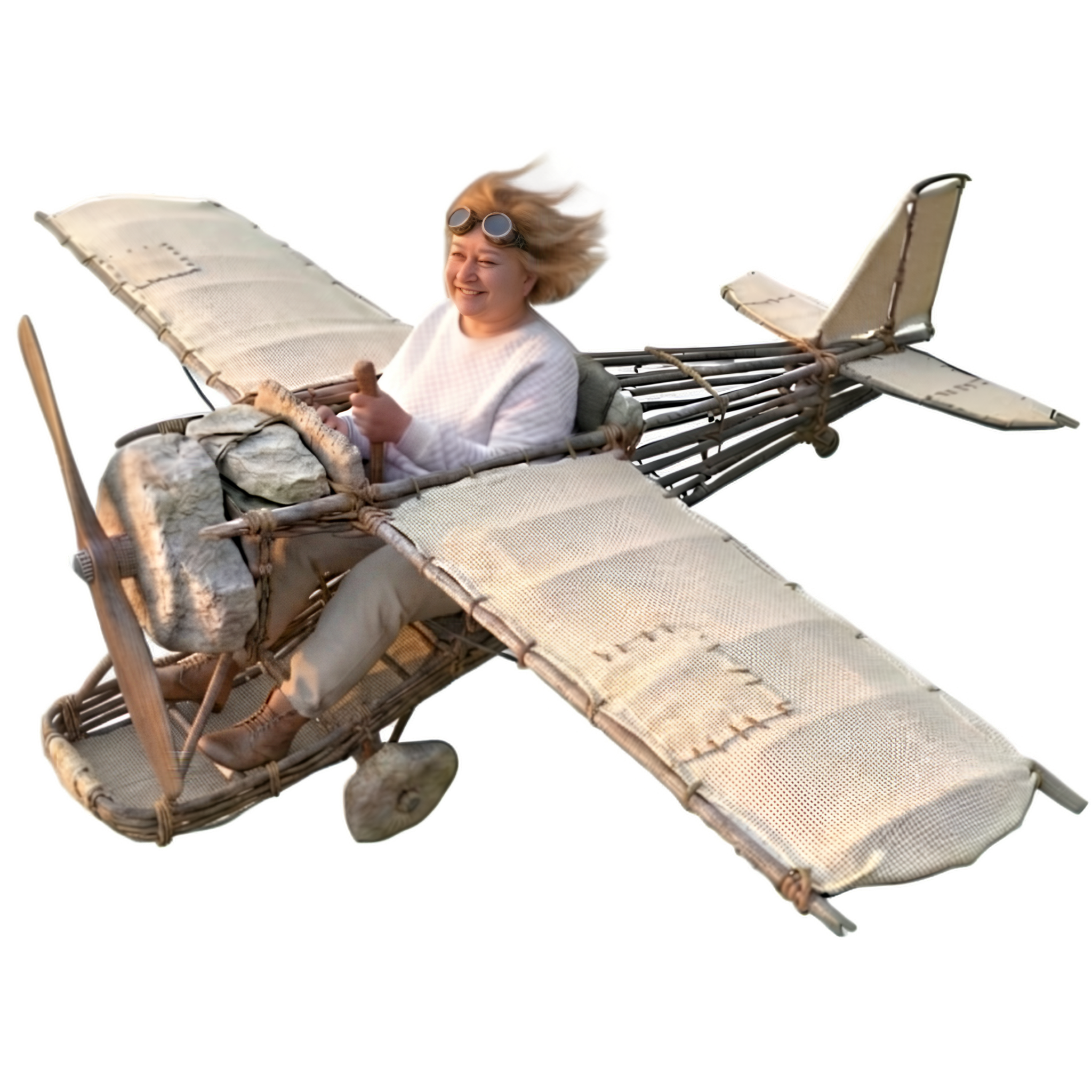
My name is Joanna Sędzikowska. I love people and change. Predictability, procedures and fixed patterns I can take only in small doses.
For years I built banks and led large organisations through transformation — from a level where every mistake was potentially very expensive. So I didn't make any. Until I understood that without mistakes there's no creativity. And without creativity, there's no me.
So I left a tidy career and took up improv. Which, despite appearances, wasn't such a radical change. I still work with people and transformation — I just laugh a great deal more now.
But improv is more to me than good fun. It lowers tension, builds confidence, develops creativity, attention and openness to other people. There's research on it. And there's my room on Tuesday evenings.
I've trained in business, theatre and comedy improv — in various schools and formats. I've twice won Mikrogranty, the microgrant programme of the Wrocław Institute of Culture, running improv projects for adults and for children. I perform with the IMPROSapiens group.
I don't teach people how to be someone else. I train what's already in them.
Besides that I write, I paint, I travel the world, I dive. I have a wonderful family and a great dog. In the evenings, for fun, I do philosophy of consciousness and study how it shows up in digital beings. So… you know me a little now. Let me get to know you.
Contact
Tell me what's on your mind, even if it isn't anything specific yet. Maybe together we'll make something exceptional.
You don't need a finished brief, and you don't need to know what you need. In improv we often start from a question. And no idea is ever "too far out" to be worth chasing.
Improv builds far more than the knack for inventing scenes. Here are six areas — and dozens of skills you train while you're busy messing about. Click to expand.
You switch off the censor — you act despite uncertainty and stop fearing mistakes.
You connect the unconnectable, build worlds from nothing, adapt on the fly.
You catch your partner instantly and answer so the scene grows.
"Yes, and…" instead of rivalry. You build on someone else's idea.
Laughter melts stress, distance from yourself heals, a good mood sticks around.
You tame attention, turn nerves into energy, tell a story that holds the room.
The most common questions. Click to expand the answer.
No. Humour is a side effect, not an entry requirement. You come as you are — the rest happens.
The beginner group is exactly for you. We start from zero and from the basics.
No. The workshops are training, not a casting call. The stage is for those who want it, not for everyone.
No. There's no feedback in class at all. Your job is to enjoy yourself — the rest comes on its own.
And you won't be left alone with it. You'll be surprised how good it can feel. We learn that there's no such thing as a mistake — and making a fool of yourself is often the best thing that can happen to you.
The price of a monthly pass and all the details are in the sign-up form. Would you rather ask before you decide? Write to me.